Date
September 10, 2026
- October 19, 2026
Time
09:00 -
17:00
Location
Kumasi, Ghana
Kumasi, Ghana | 10–19 September 2026
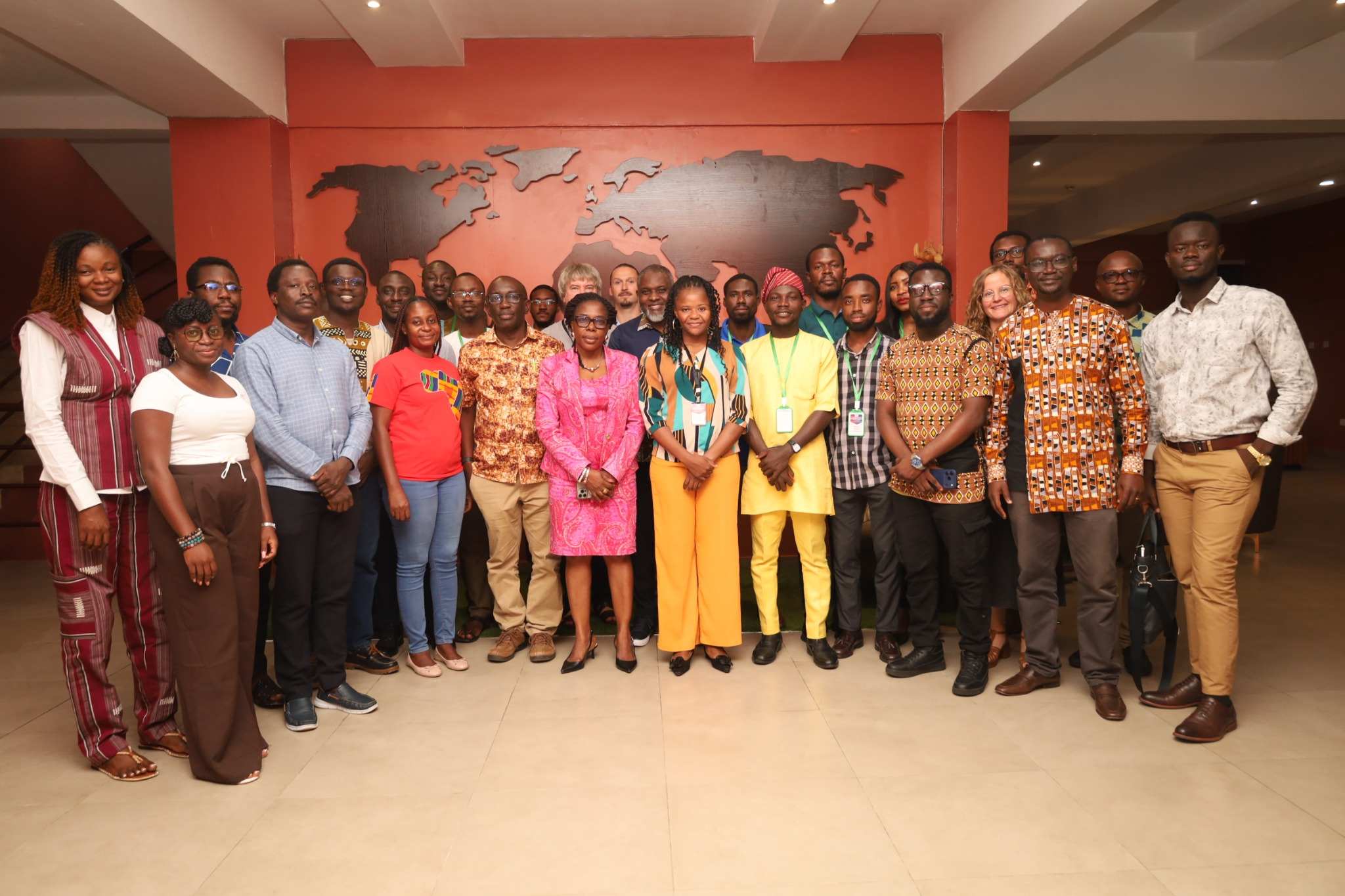
The German-West African Centre for Global Health and Pandemic Prevention (G-WAC), in collaboration with its partner institutions, successfully delivered the Modelling for Pandemic Preparedness and Response Modular Certificate Short Course 2026 at the Kwame Nkrumah University of Science and Technology (KNUST), Kumasi, Ghana, from 10 to 19 September 2026.
The course was designed to strengthen disease-modelling capacity in Africa, particularly in low- and middle-income countries, where limited data availability and the challenges of applying models developed in other settings can constrain evidence-informed public health decision-making.
Building expertise in disease modelling
The COVID-19 pandemic underscored the importance of reliable disease models in understanding transmission dynamics, anticipating outbreaks, evaluating intervention strategies, and informing public health responses. It also highlighted the need to strengthen local modelling expertise and ensure that modelling approaches are relevant to the epidemiological and socioeconomic contexts in which they are applied.
Against this background, the course introduced participants to the fundamentals of disease modelling and its practical applications in African settings. The programme combined teaching with hands-on exercises to provide an immersive learning experience, equipping participants with knowledge and skills relevant to pandemic preparedness, outbreak response, and the management of endemic diseases.
Two modules, one shared objective
The course covered two core modules:
- Module 1: Essentials of Disease Modelling – introducing foundational concepts and approaches in disease modelling.
- Module 2: Modelling for Pandemic Preparedness – exploring how modelling can support preparedness planning and evidence-informed responses to emerging infectious disease threats.
The programme was intended for professionals engaged in interdisciplinary work with strong quantitative backgrounds, including mathematics, econometrics, epidemiology, data science, biomedical sciences, and related disciplines. Participation also required completion of a prescribed online course in R programming, reflecting the importance of computational skills in contemporary disease-modelling research.
Advancing African-led pandemic preparedness
By strengthening modelling expertise and promoting the use of quantitative evidence in public health, the course contributes to G-WAC’s broader mission of building research and training capacity for global health and pandemic prevention in Africa.
Developing locally relevant modelling capacity is essential for generating context-specific evidence, supporting policymakers, and improving preparedness for future public health emergencies. Initiatives such as this course help lay the groundwork for stronger collaboration between researchers and public health practitioners and for more effective use of scientific evidence in decision-making.
Supporting capacity development through international collaboration
The course was supported by the German Academic Exchange Service (DAAD), with funding from the Federal Foreign Office of Germany. The programme accommodated participants from across Africa, with scholarships available to selected applicants.
Through this initiative, G-WAC and its partners continue to advance interdisciplinary training and strengthen the expertise needed to address complex health challenges across the region.
G-WAC extends its appreciation to the participating professionals, facilitators, institutional partners, and supporting organisations for their contributions to advancing disease-modelling capacity and pandemic preparedness.
- Organizer Name: KNUST & G-WAC
- Phone: (+233) 322 192 173
- Email: info@g-wac.org
- Website: https://g-wac.org/
Related Events
28
Sep
2026
G-WAC Joins DAAD Global Centres in Berlin to Celebrate Five Years of Research Collaboration and Global Impact
September 28, 2026 08:00 -
October 1, 2026 17:00
Tagungswerk, Lindenstraße 85, 10969 Berlin, Germany
14
Sep
2026
Strengthening One Health Capacity in Africa: GWAC Delivers the One Health Modular Certificate Course 2026
September 14, 2026 08:00 -
October 19, 2026 17:00
Kumasi, Ghana